

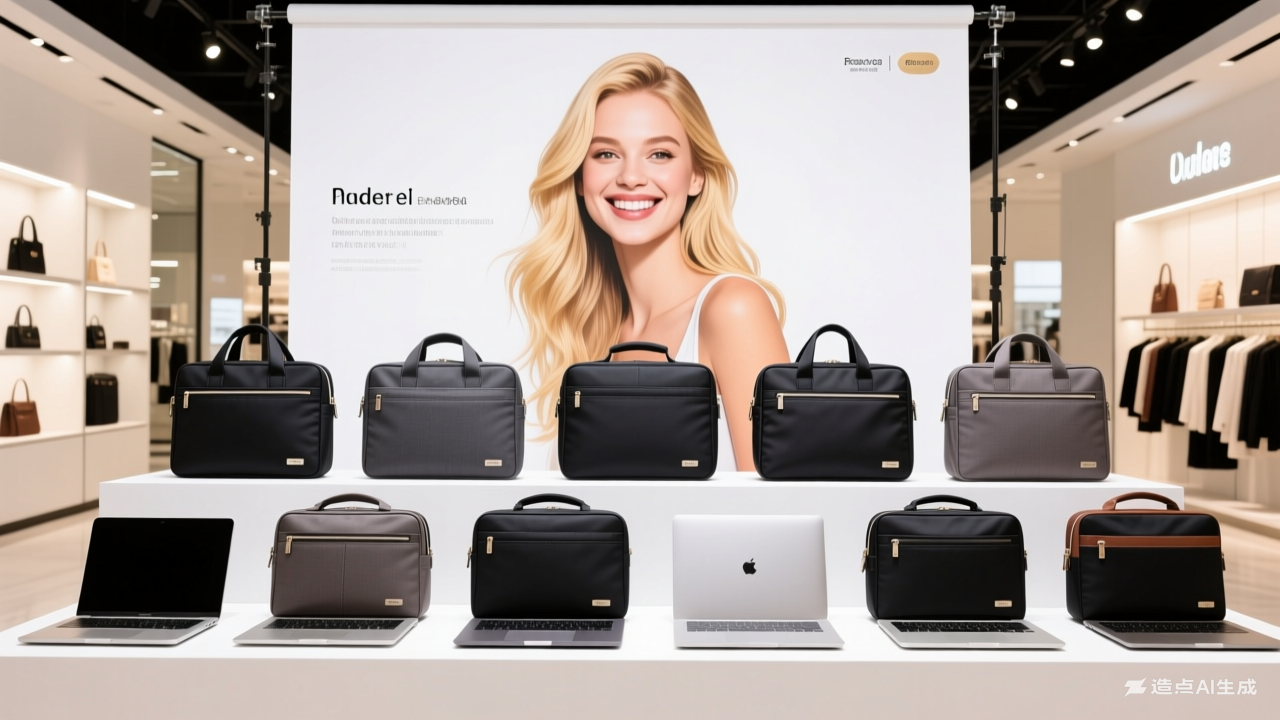
The global laptop bag market is transitioning from a single-purpose “protective tool” to a multifunctional accessory characterized by “smart features, fashion-forward design, and eco-friendliness.” While market size maintains steady growth (projected to reach approximately RMB 26.55 billion globally by 2031), product functionality and user demands are undergoing profound shifts.
Below is a detailed analysis of industry trends:
- Market Landscape: Significant Regional Demand Differentiation
European Market Emphasis on design aesthetics, quality, and sustainability Features recycled materials (e.g., rPET), ergonomic design, and premium business-oriented styles
Latin America/Middle East Market Focus on cost-effectiveness and functional utility Prioritizes anti-theft features, large capacity, and durable designs for harsh environments
North America/Asia-Pacific Mature markets with diverse preferences High-tech aesthetics, multi-device compatibility, and dedicated gaming laptop cases
Emerging Market Surge: Beyond traditional mature markets in Europe, America, and Japan, demand in Latin America (e.g., Argentina, Chile) and the Middle East (e.g., Saudi Arabia, UAE) is exploding at double-digit rates or higher, becoming new growth engines.
- Product Trends: Four Core Development Directions
Based on 2025 market feedback, laptop bag innovation primarily focuses on these dimensions:
Smart & Convenient Features
Functional Integration: Laptop bags featuring USB charging ports and anti-theft alarm systems are highly sought after.
Tech Fabrics: High-tech materials offering waterproofing, shock resistance, and tear-proof properties have become standard, particularly for frequent travelers (“digital nomads”) and outdoor professionals.
Sustainability & Eco-Friendliness
Eco-Friendly Materials: Consumers (especially in Europe) increasingly prioritize sustainability. Laptop bags made from recycled polyester (Recycled PET) derived from plastic bottles or other sustainable materials align with policy trends and symbolize premium quality.
Ergonomics and Health
Comfort: Backpacks featuring breathable back panels, padded shoulder straps, and spinal curvature-aligned designs see significant sales growth to meet extended wear demands. Markets like Germany exhibit high demand for such “ergonomically certified” products.
Specialization by Scenario
Precision Targeting: Products are moving away from a “one-size-fits-all” approach. The market is being segmented by specialized offerings: minimalist commuter bags for professionals, durable backpacks for students, high-performance cooling packs for gamers, and stylish handbags for female users.
